English »


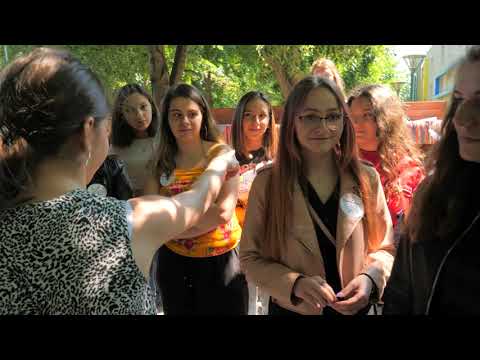
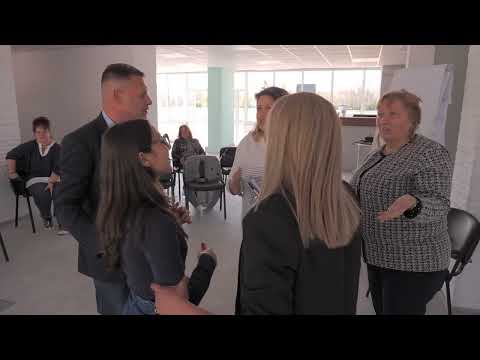
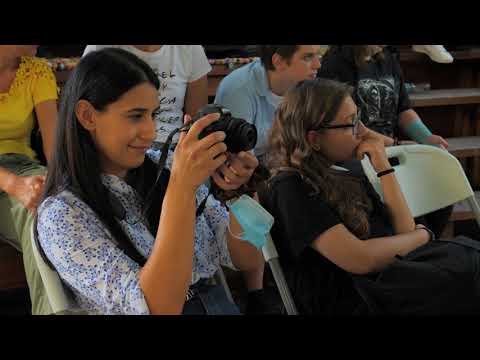
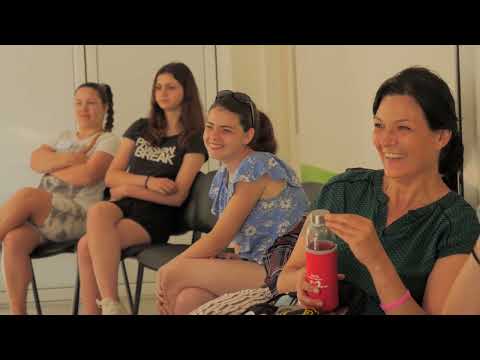
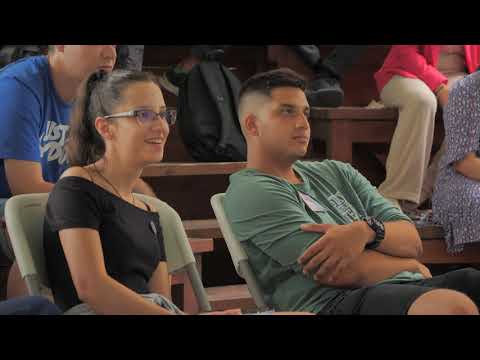
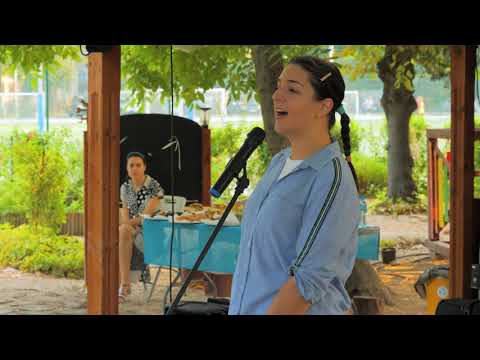
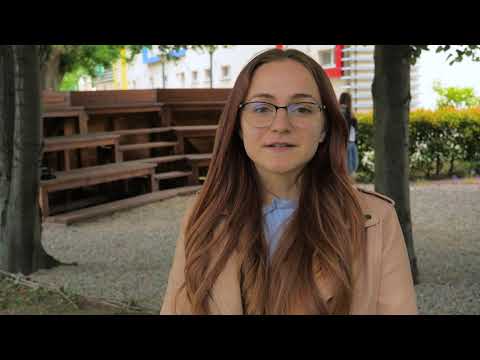
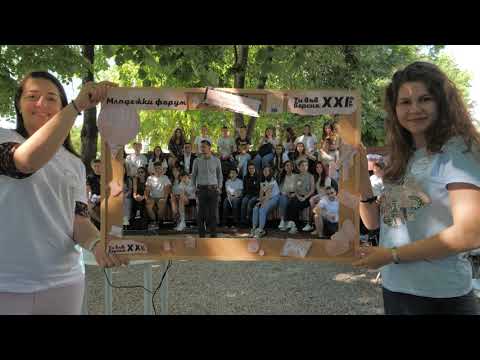
This youth initiative gave everyone the opportunity to anonymously ask a question and get their answer from experts in the fields of: health, finance, art, ecology, human rights and more.
You can see the answers below:
After school
"There are many paths we can take after graduation. The first option is to continue with higher education. If you are sure about what you want to study, this is the best opportunity for your professional development. If you are not sure if you want to study, you can work for a few months and apply to university next year. This way you will gain work experience and have time to find out what your vocation is. The third option, which is becoming more and more popular, is the so-called ''gap year''. There is no right way because each person finds happiness in different places.”
Insults
"It depends on the environment in which these insults are made. If the insults are at school, it is easiest to turn to a teacher, class teacher or pedagogical advisor. They should know how to solve the problem - maybe talk to the aggressor and get him to change his behavior. If it is on the Internet, you can contact the Bulgarian Center for Safe Internet. You can read more information about the help they provide at https://www.safenet.bg/. There is a national online safety hotline that you can contact or use the chat module on their site.
If it is a question of insults related to belonging between adults, then the institutions that a person can turn to are the Commission for Protection against Discrimination. In it, a written complaint is submitted by the affected person, setting out the circumstances. As a last resort, the person can turn to the court
Easy learning
“Immerse yourself fully in the lesson or topic you are reading. Look for information about it on the Internet, read an article or watch a video. If you don't understand something important, take the time to look up information about it from different sources.
It is important to take short breaks because it is physically impossible for a person to concentrate for a long period of time. Weed out the most important, and if you remember visually, highlight the most important, add drawings or graphs. After going through certain material, try to explain it to yourself.''
Work
"The CV is the first thing an employer sees from candidates. It should be well structured and well written. The recommended volume is 1-2 pages, being adapted according to the position applied for.
When you are called for a job interview, you need to be on time and in good shape. Be honest with the questions they ask you. The process of finding the right job can take months, so don't despair if it doesn't work out the first time.
Use your free time to learn new things or develop different skills. So-called soft skills such as teamwork, decision-making, creativity, communication, etc. are highly valued. These key competencies can be developed through the informal activities that we conduct at the Youth Centre Plovdiv."
Mental health
"Mental health depends largely on how we manage to process and respond to the stressors around us. There are many practices that can help us be more flexible and resilient in difficult situations.
Art therapy exercises can help us connect with the healthy and strong within us, to look from a new perspective, to have a resource for unexpected challenges.
Humor, laughter therapy, meditation also affect our biochemistry in a very effective way and give us inner strength and maturity."
Time for mental help
"There are many situations in which we fail to address our mental health challenges on our own: anxiety, suicidal thoughts, depression, obsessive thoughts, eating disorders, panic attacks, self-harm, addiction, violence and many others. In such moments, it is good to seek help from a specialist.
Usually, the deterioration of our mental health comes with warning signs, in the presence of which it is good to turn to a professional for support:
Withdrawal from family and friends, closing in one's own world;
Sudden changes in mood;
Change in sleep schedule - excessive sleepiness/difficulties sleeping;
Change in nutrition - lack of appetite or increased appetite;
Drastic changes in body mass index - sudden weight loss or gain;
Feelings of hopelessness, suicidal thoughts;
Problems with memory, attention and concentration;
Problems performing daily activities such as going to school or work;
Increased sensitivity;
Atypical behavior;
Neglect of appearance;
Self-injury;
Increased risk-taking in activities that are dangerous (risky driving, combining alcohol and drugs/drugs, etc.);
Increased use of substances;
Inability to derive pleasure from activities that were previously enjoyable;
Inability to leave home;
Excessive focus on appearance and related actions;
Phobias (of closed, open spaces);
Fear of persecution;
Excessive hand washing, rituals'.
"We can find help:
1) With an established specialist, psychologist, psychotherapist with clinical practice.
Association of psychologists in Bulgaria: 24/7 hotline: 0888 429 730, 0895 922 421
2) Application https://razkazhimi.online/ where you can get a free consultation with a specialist, access to many articles on cat health.
3) For suicidal thoughts: #suicideawareness tel. 0800-0113
4) Domestic violence: #domesticviolence - phone 112 or 0800-2000
Telephone of the hotline for victims of violence + 359 2 9817686 - at the cost of a local call or 0800 18676 - free. The line works from 9:00 a.m. to 9:00 p.m. The first phone line is also available for people outside the country.
5) Child, adolescent in danger: national telephone line for children, adolescents: tel. 116 111 and tel. 112
6) Cyberbullying: 116,111
7) National Drug and Alcohol Helpline: 0888 991 866
General European emergency number 112
#animal in distress signal 144"
Art
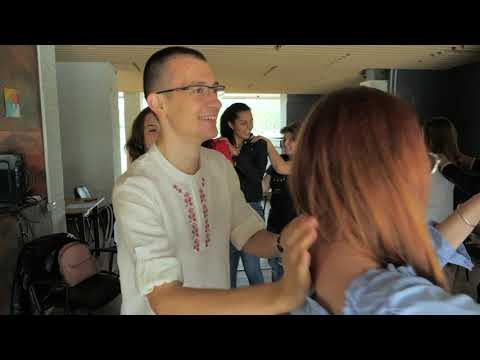
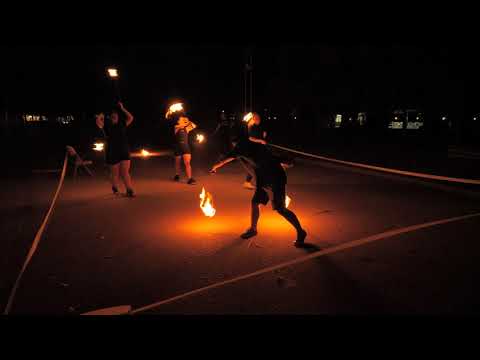
"Currently, the Youth Centre Plovdiv is holding a creative workshop "Unlock the creator in you", which combines various creative and art therapy activities. Those wishing to touch the results of the studio and experience their own creative journey can come to the Centre on 16 July. For more information, follow our Facebook page."
Compost at home
Composting is a method of decomposition of organic matter - fruits, vegetables, leaves, twigs, paper, etc., resulting in compost - fresh, fresh and nutrient-rich living soil. It can be used for seedlings at home, in the garden, or simply taken to the forest. Contrary to some understandings, we can make one on the terrace at home or if we don't have one - for example under the sink in the kitchen. If you live in a house or cooperative with a yard, you can dig a hole in one corner and accumulate organic matter.
To begin with, we only need a container with a lid, such as a bucket or a large pot, and a plate to place under it. If we judge after that, we may also take a second bucket for ripening - for the already half-ready soil.
First, we make holes on the vessel - on the bottom and on the walls, starting one span from the bottom, so that air can enter regularly. Then we arrange paper or cardboard, some old soil, leaves, branches on the bottom. Finally, we add the organic materials and mix.
The finished compost (soil) will form at the bottom. The soil gradually enters a maturation period, taking 4-8 weeks to become homogeneous and ready for use - not too wet and not too dry. This is achieved by arranging one row of vegetable peels, one row of bran, for example. The next day we stir the mixture, and the next day, when we have collected enough new organic mass, we add it, again dry mass and so on. It is necessary to stir often, but not too much - twice a week is enough. It is always necessary to have a balance of substances - nitrogen and carbon, in the future we will add an equal amount of food or other organic waste and dry mass in our composter in a ratio of 1:1.
What To Compost: Fruit and vegetable peels (except onion, garlic and citrus peels), egg shells and shells, dried leaves and small twigs from plants we care for at home, used tea leaves and coffee grounds, cardboard and slightly food-contaminated paper that cannot be recycled, old flour, old soil from plants. What Not to Compost: Meat, fish and dairy scraps, bread, cooked food, cotton makeup pads, wet wipes, citrus fruits, baking paper, napkins or greased cardboard, advertising brochures, colored cards, magazines, wrapping paper.
The youth initiative is realized as part of the project "Youth Centre Plovdiv - a powerful factor for local development" under the program "Local Development, Poverty Reduction and Enhanced Inclusion of Vulnerable Groups, financed by the Financial Mechanism of the European Economic Area 2014-2021.


Project № BG06-103 "Establishing a Youth Centre in the City of Plovdiv" under the programme "Children and Youth at Risk", component 1 "Care for Youth at Risk" with the financial support of Iceland, Liechtenstein and Norway by the Financial Mechanism of the European Economic Area 2009-2014.


Project № BGLD-1.003-0002 "Youth Centre Plovdiv - a powerful factor for local development" under the programme “Local development, poverty reduction and enhanced inclusion of vulnerable groups” funded by the Financial Mechanism of the European Economic Area 2014-2021.

Rowing Channel, 18 Jasna Poljana Str., Plovdiv 4000, Bulgaria